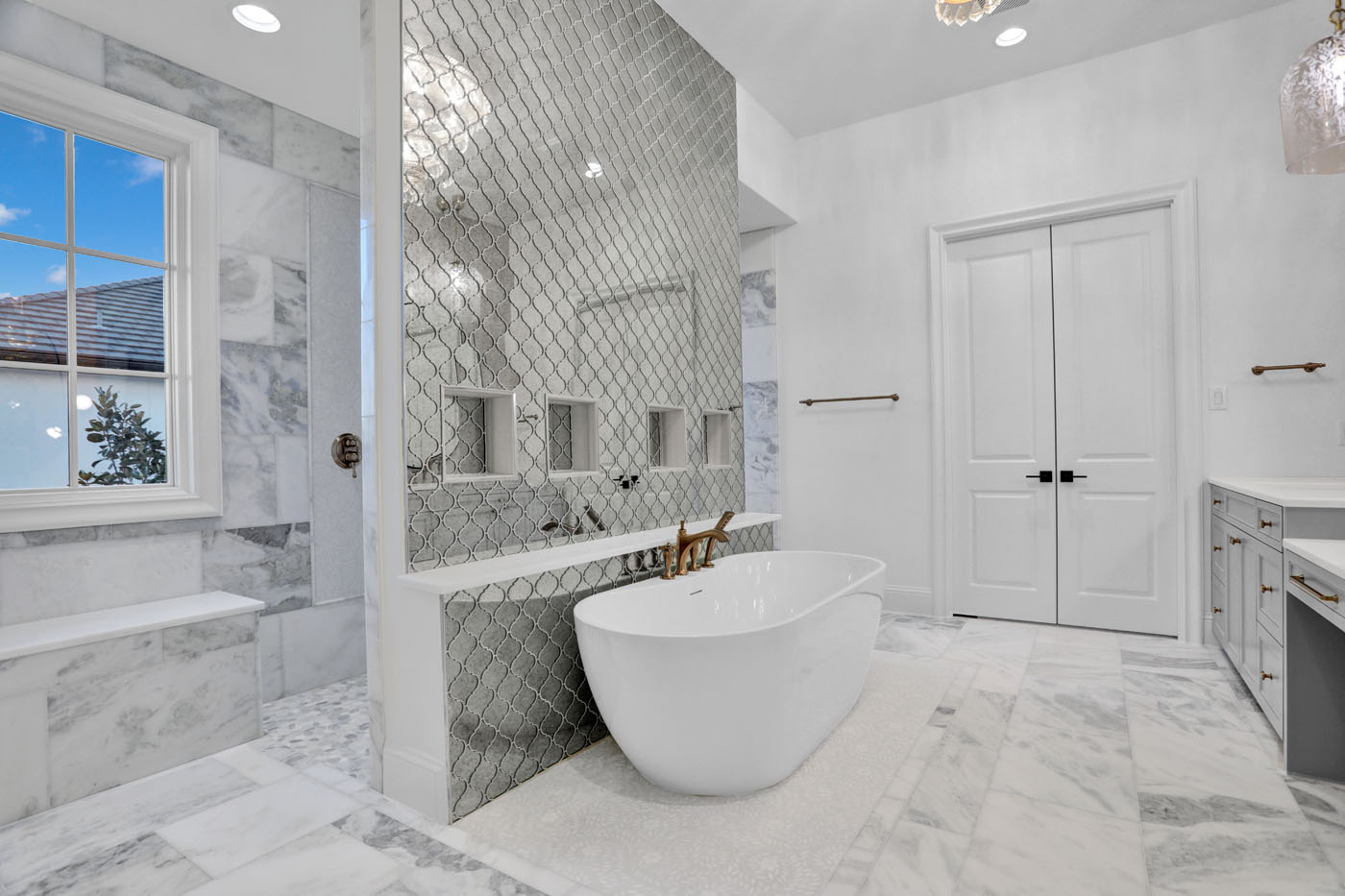
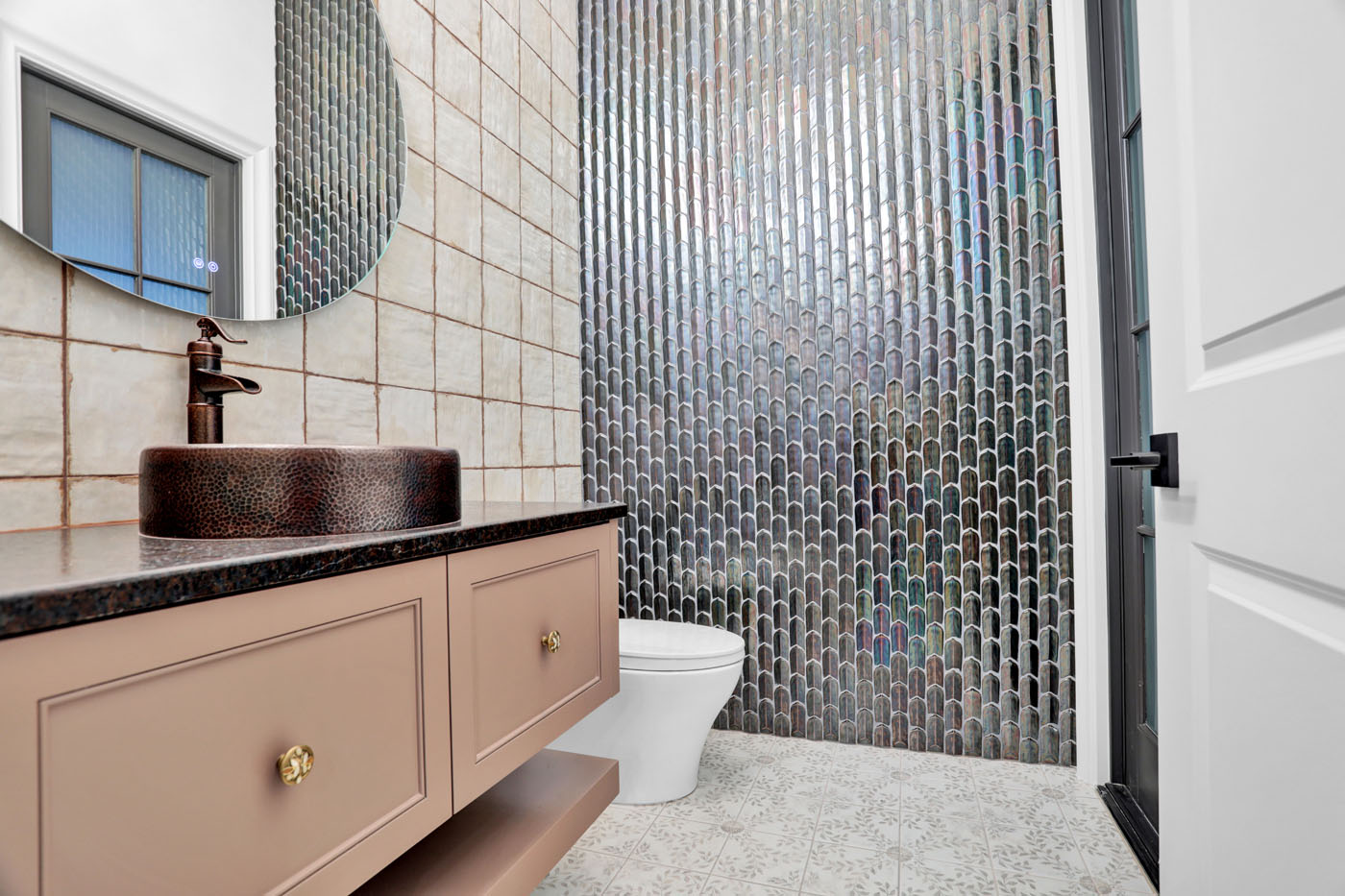
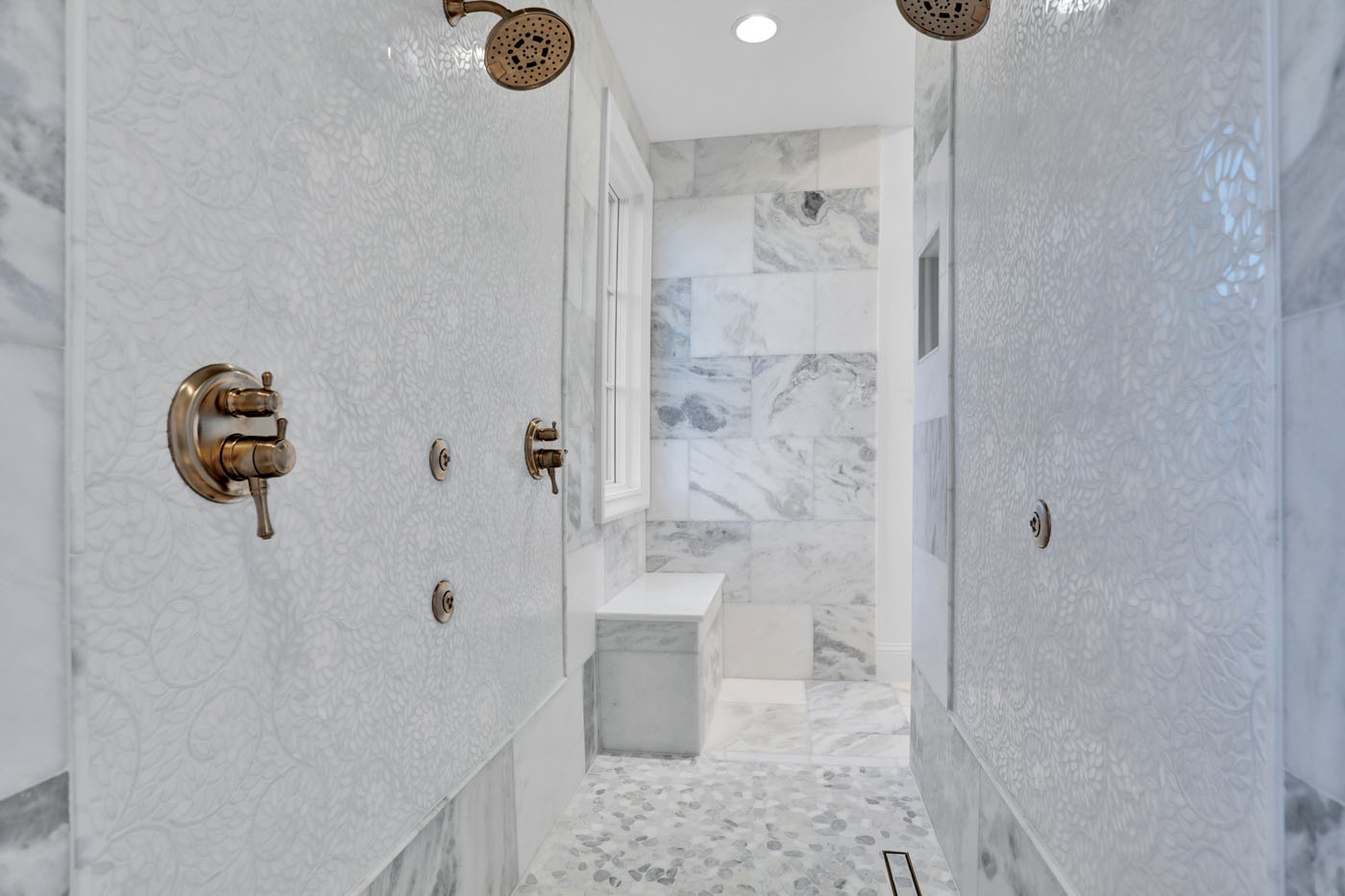
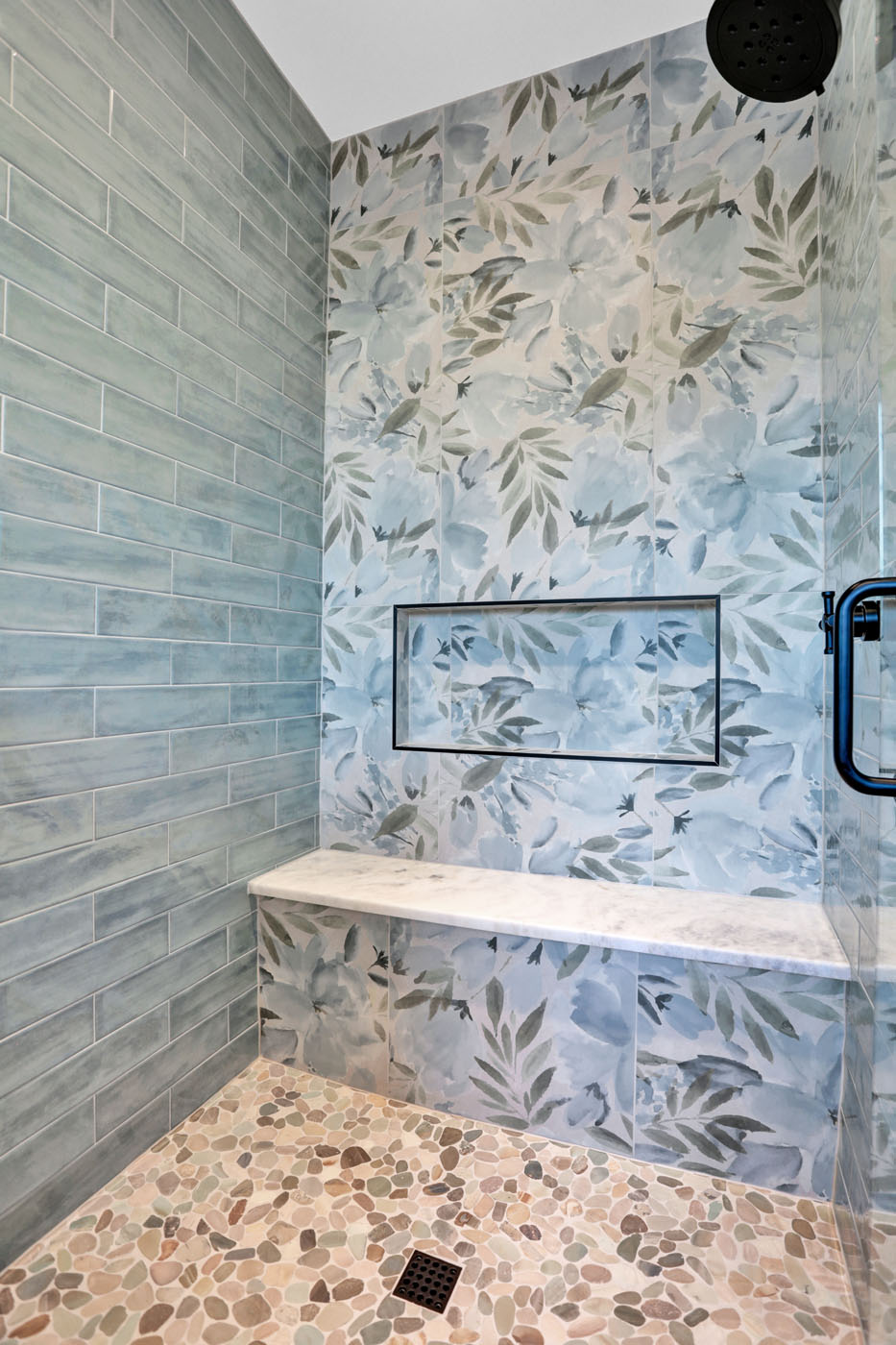
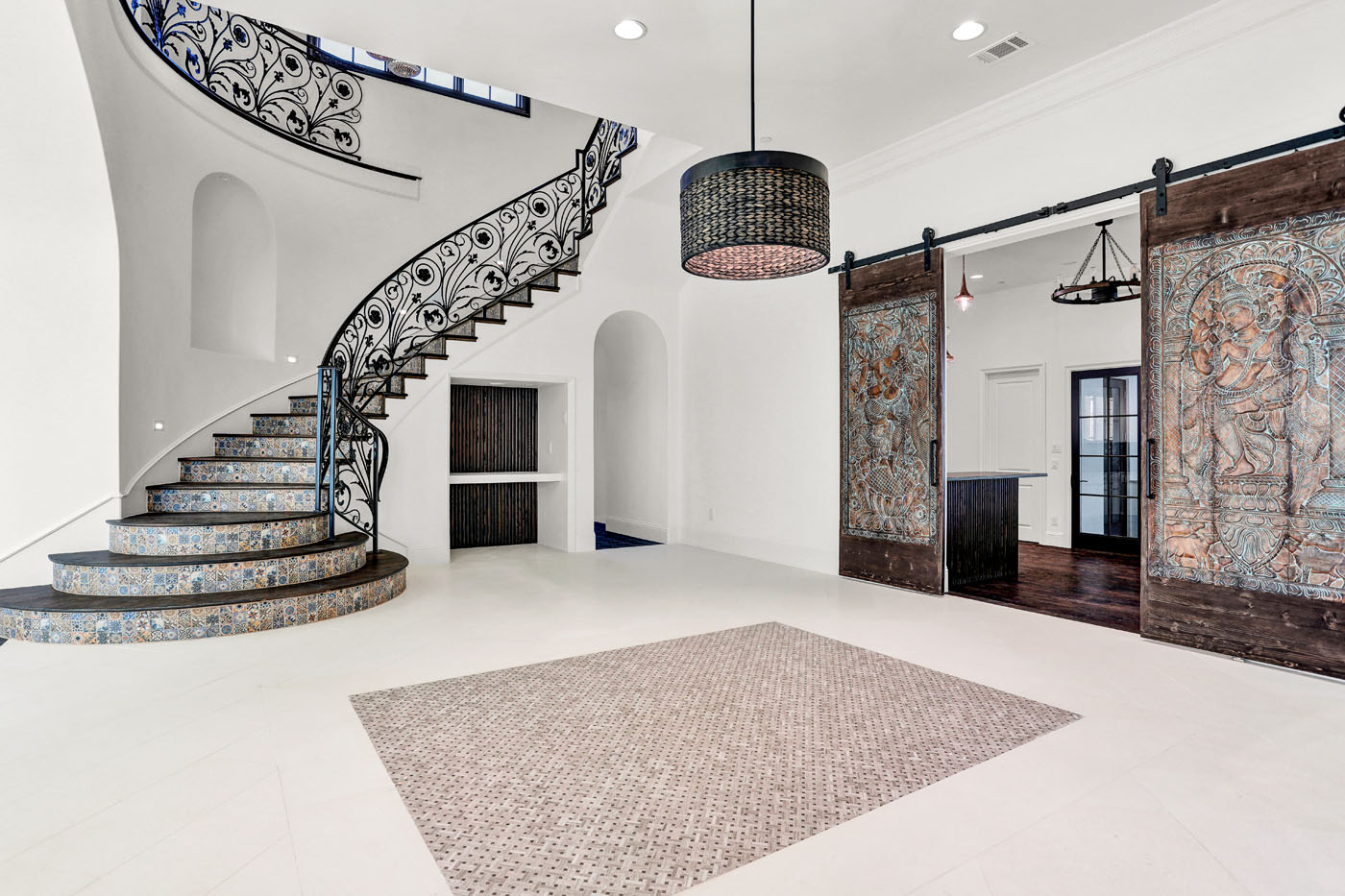
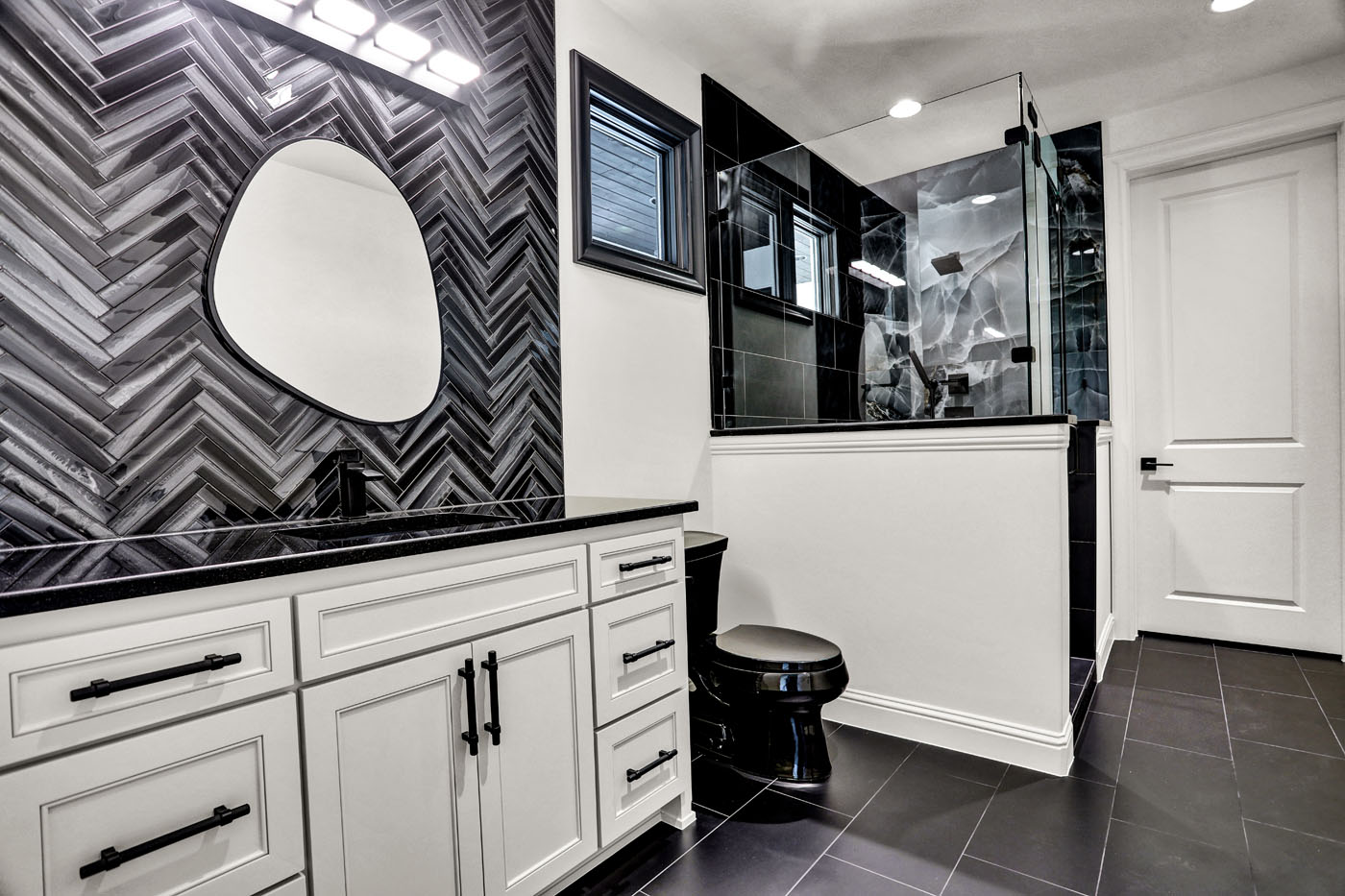
If you're considering a unique tile shape installation, you'll have many options beyond traditional square or rectangular tile. Popular choices include hexagon, arabesque, fish scale, picket, diamond, fan, and other geometric patterns.
Unique tile shapes naturally draw attention and can be used as the focal point of a space. Depending on the shape and color, they can give your bathroom a custom, artistic, or contemporary look. Even in a simple bathroom, they add depth and character without the need for bold colors or finishes.
A unique tile shape installation makes the biggest impact when it's balanced with simpler design elements. Pair it with neutral wall colors, clean-lined fixtures, and understated finishes so the tile remains the focal point.
These tile styles are maintained much like other ceramic or porcelain tile, though the extra grout lines may require a little more attention. Clean regularly with a pH-neutral cleaner, and seal the grout as recommended to help protect against moisture and stains.
Expect to pay $20–$60+ per square foot,1 depending on the material, pattern, and complexity of the installation. Intricate shapes usually take more time to install, which can result in higher labor costs.
If you're considering a unique tile shape installation, you'll have many options beyond traditional square or rectangular tile. Popular choices include hexagon, arabesque, fish scale, picket, diamond, fan, and other geometric patterns.
Unique tile shapes naturally draw attention and can be used as the focal point of a space. Depending on the shape and color, they can give your bathroom a custom, artistic, or contemporary look. Even in a simple bathroom, they add depth and character without the need for bold colors or finishes.
A unique tile shape installation makes the biggest impact when it's balanced with simpler design elements. Pair it with neutral wall colors, clean-lined fixtures, and understated finishes so the tile remains the focal point.
These tile styles are maintained much like other ceramic or porcelain tile, though the extra grout lines may require a little more attention. Clean regularly with a pH-neutral cleaner, and seal the grout as recommended to help protect against moisture and stains.
Expect to pay $20–$60+ per square foot,1 depending on the material, pattern, and complexity of the installation. Intricate shapes usually take more time to install, which can result in higher labor costs.
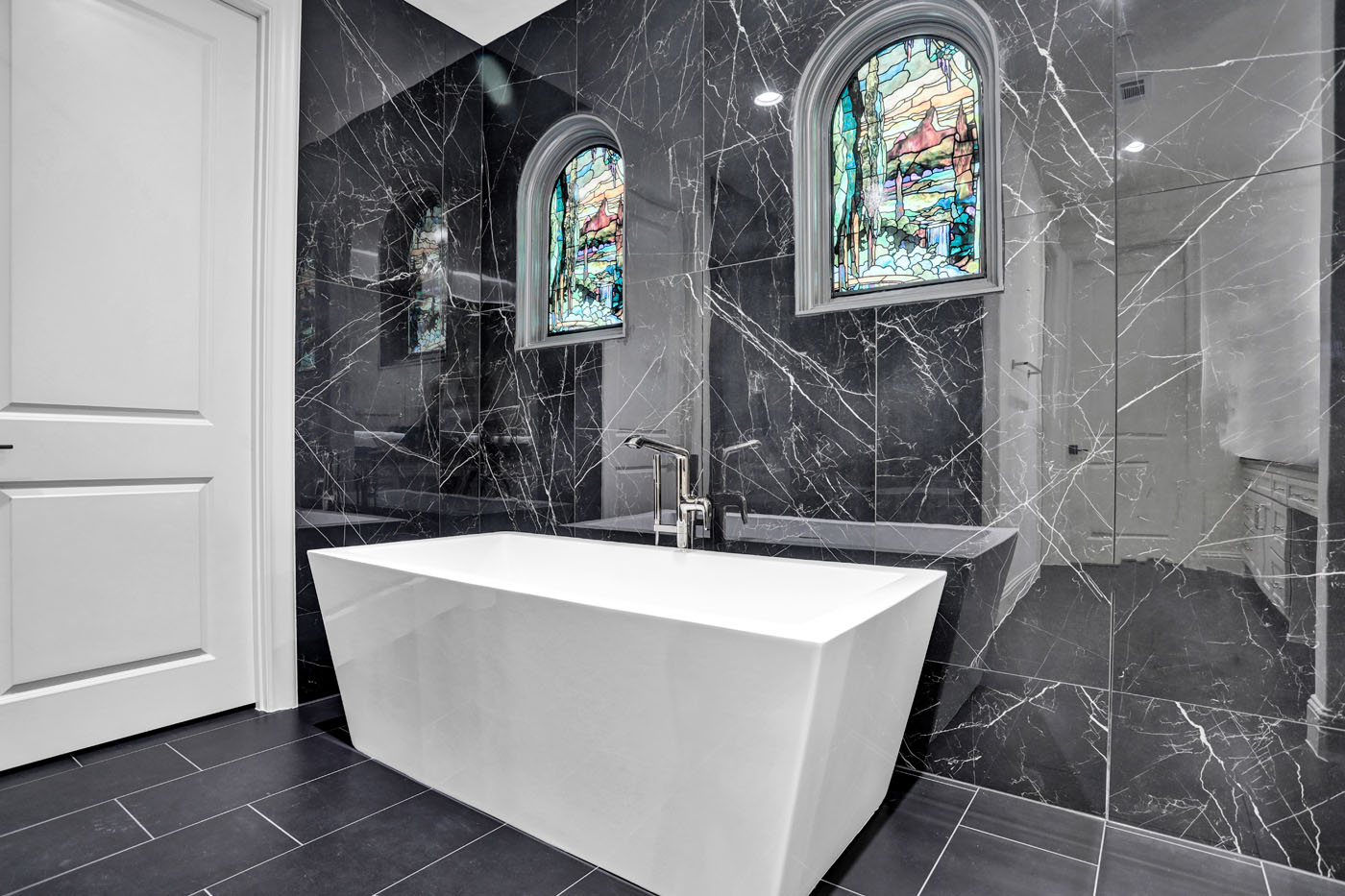
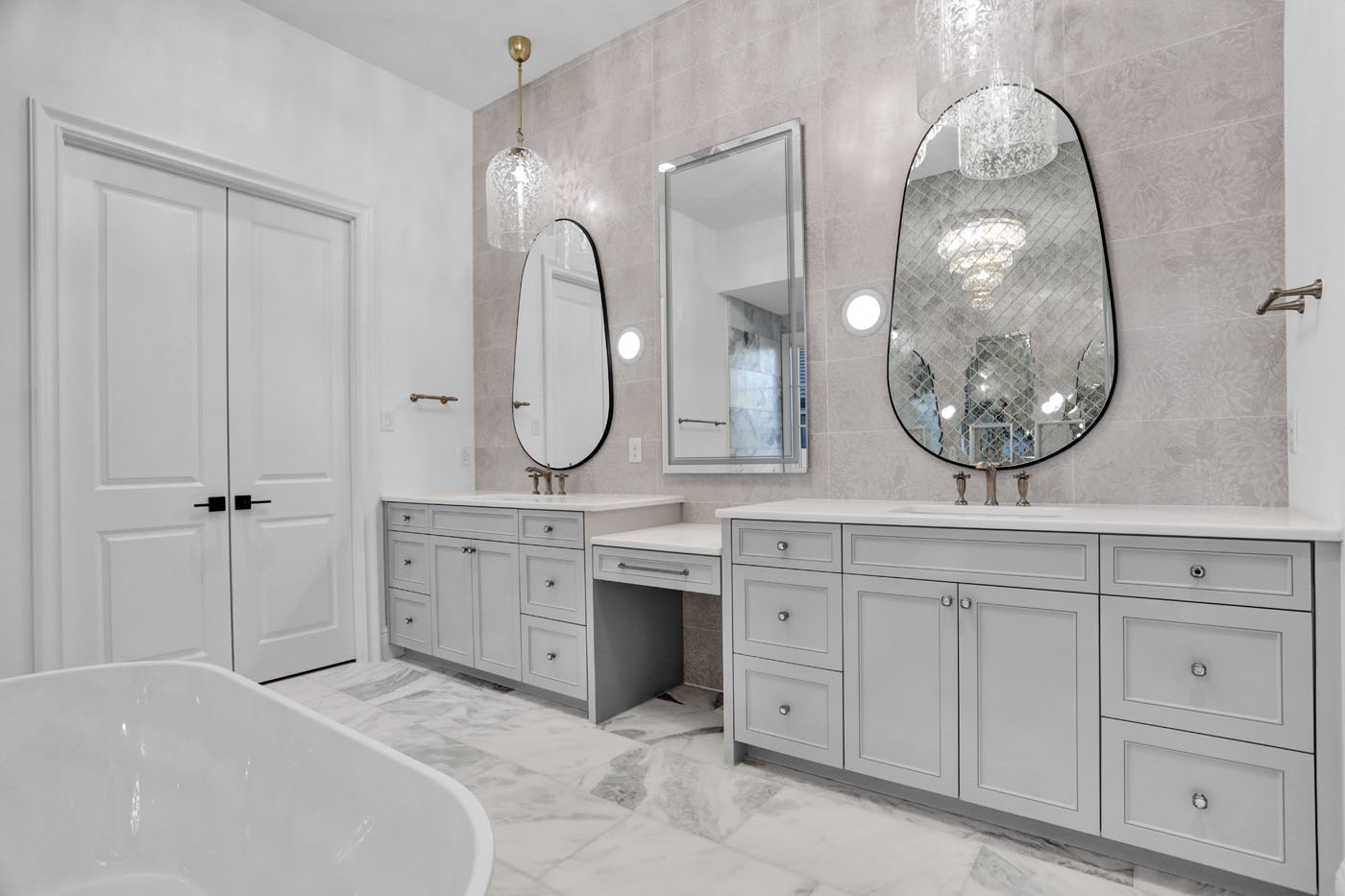
Large-format tile typically measures 12" × 24" or larger2 and is available in a wide range of colors, patterns, and finishes. Its versatility makes large tile installation a popular choice for everything from modern bathrooms to more timeless spaces.
Oversized tile creates a clean, open look with fewer grout lines than smaller tile. The larger pieces help surfaces feel more continuous and can make smaller bathrooms appear larger and more spacious.
Oversized tile works best with simple fixtures and understated finishes to complement its clean look. To enhance that effect, many homeowners choose rectified tile,3 which allows for tighter grout joints and a more seamless finish.
Large tiles are generally easy to maintain because they have fewer grout joints. Clean regularly with a non-abrasive cleaner, seal as recommended, and inspect grout lines occasionally for cracks or movement.
Oversized tile typically costs $18–$45+ per square foot,4 depending on the material, tile size, and installation complexity. Professional oversized style installation often requires specialized tools and techniques, which can increase labor costs.
Large-format tile typically measures 12" × 24" or larger2 and is available in a wide range of colors, patterns, and finishes. Its versatility makes large tile installation a popular choice for everything from modern bathrooms to more timeless spaces.
Oversized tile creates a clean, open look with fewer grout lines than smaller tile. The larger pieces help surfaces feel more continuous and can make smaller bathrooms appear larger and more spacious.
Oversized tile works best with simple fixtures and understated finishes to complement its clean look. To enhance that effect, many homeowners choose rectified tile,3 which allows for tighter grout joints and a more seamless finish.
Large tiles are generally easy to maintain because they have fewer grout joints. Clean regularly with a non-abrasive cleaner, seal as recommended, and inspect grout lines occasionally for cracks or movement.
Oversized tile typically costs $18–$45+ per square foot,4 depending on the material, tile size, and installation complexity. Professional oversized style installation often requires specialized tools and techniques, which can increase labor costs.
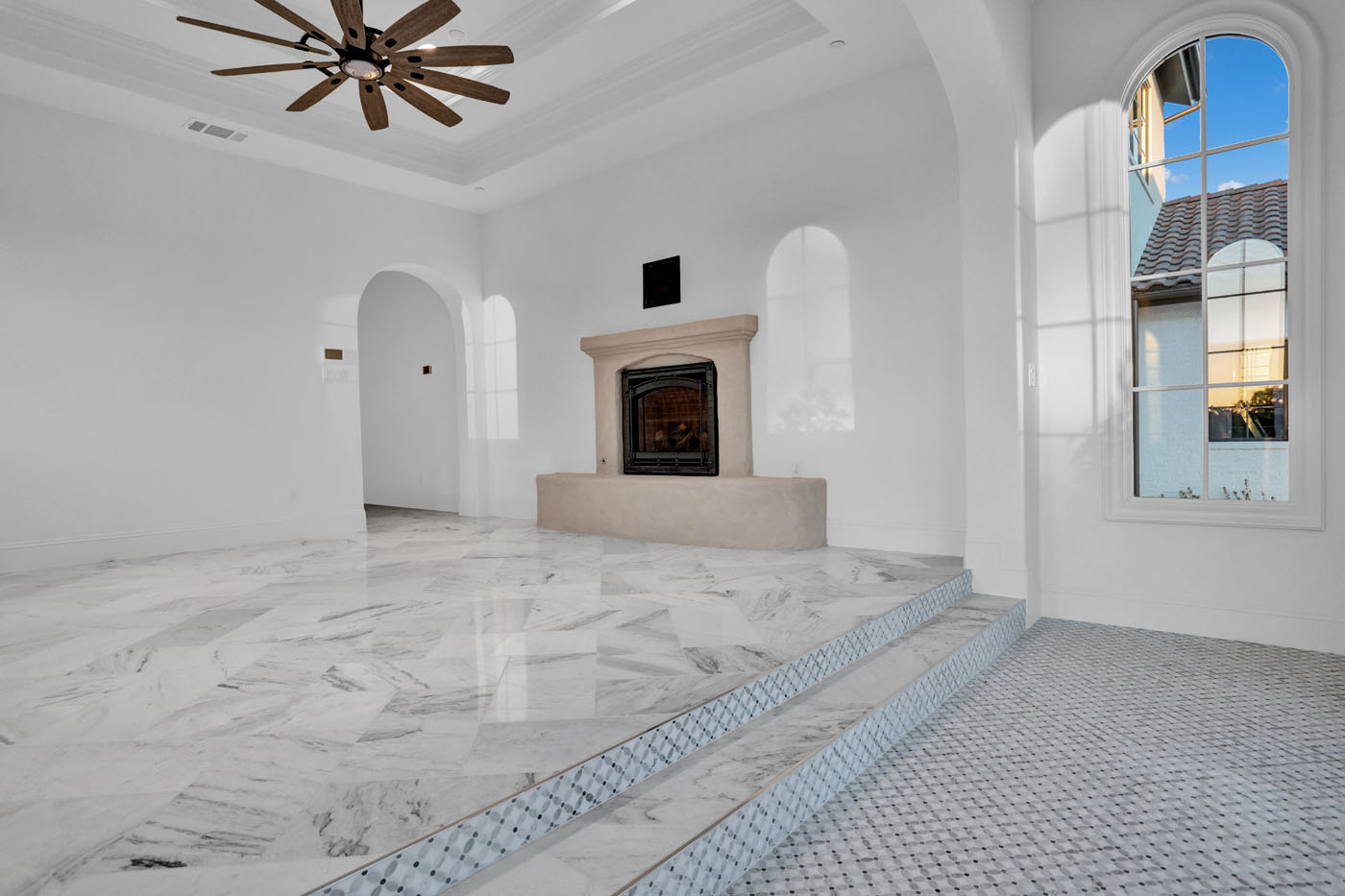
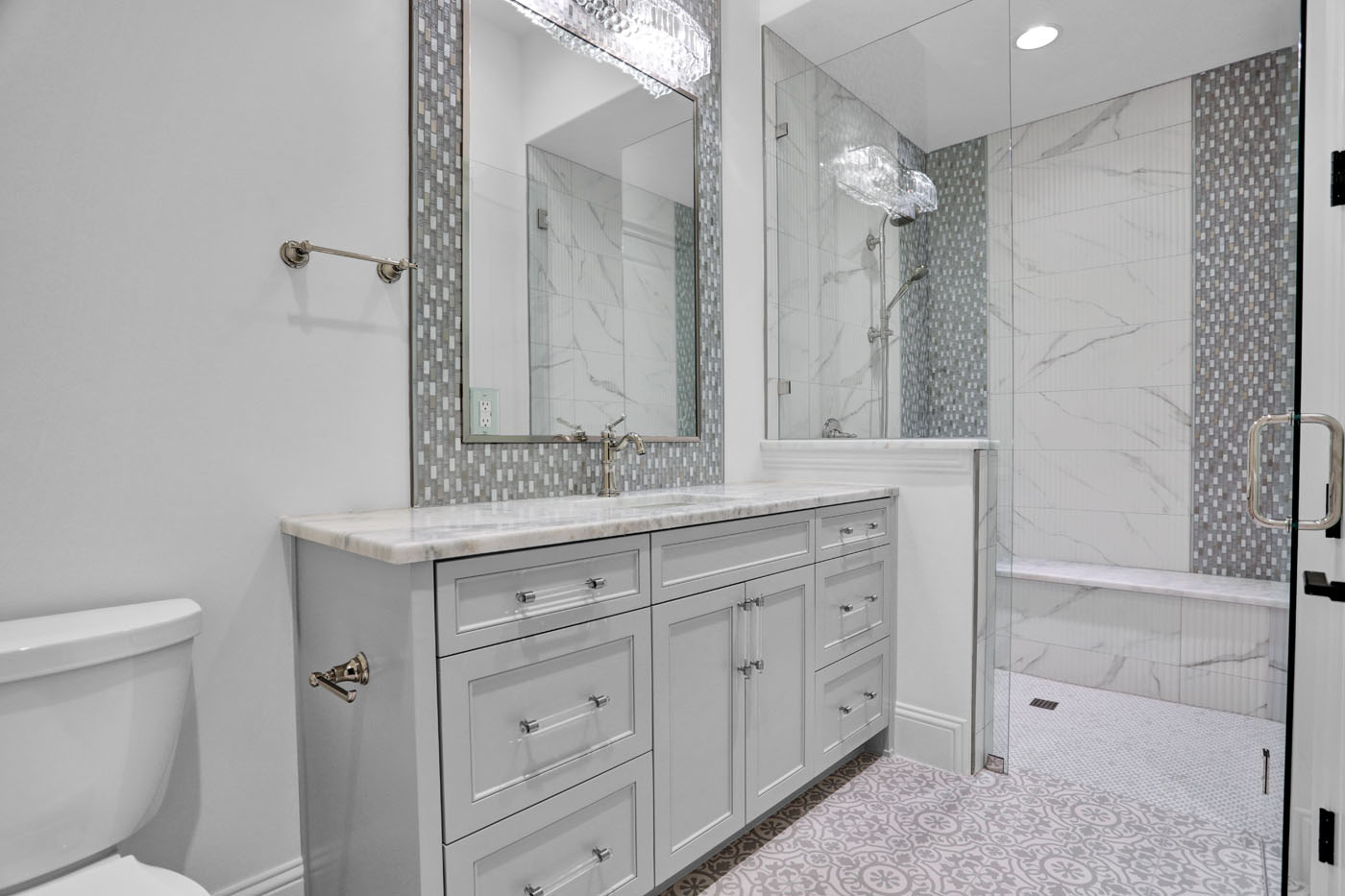
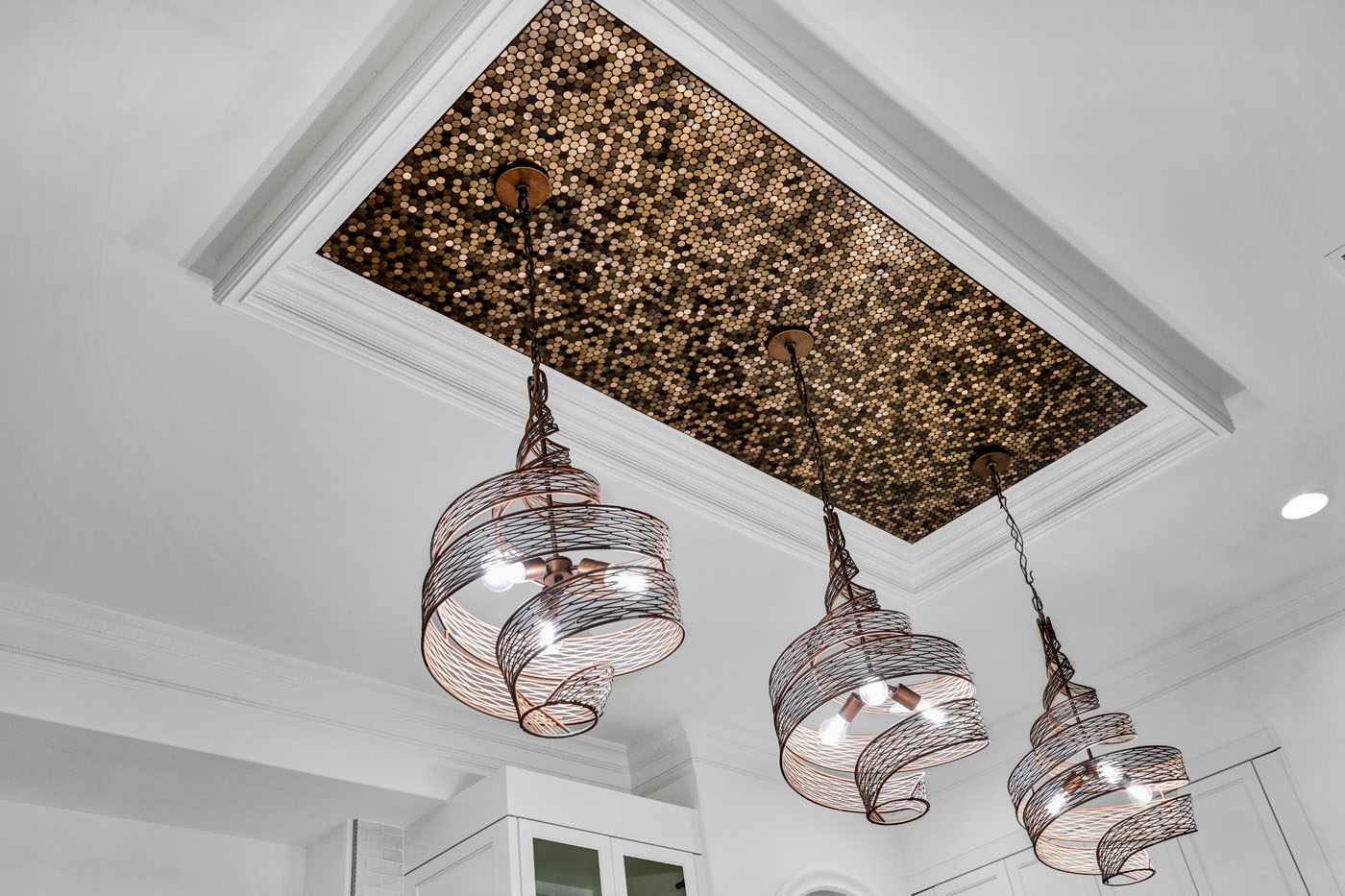
Mosaic tile installation is a great option for homeowners who want to add detail and variety to their bathroom. Made up of small, individual tiles mounted on mesh sheets, mosaic tile is available in ceramic, porcelain, glass, natural stone, and mixed materials.
Because mosaic tile is made up of many small pieces, it creates a level of texture and detail that's difficult to achieve with larger tiles. Mosaics offer subtle color variation or bold patterns, depending on the material and layout you choose.
Mosaic tile is most effective when used in moderation. Pair it with larger tiles to create contrast, and use it to introduce color, texture, or pattern without overwhelming the space.
Because mosaic tile has more grout lines than larger tile, it typically requires more regular cleaning. Use a mildew-resistant grout in wet areas and clean gently with a soft brush.
Mosaic tile typically costs $20–$30+ per square foot.5 The final price depends on the material you choose, with glass, natural stone, and specialty mosaics generally costing more than ceramic or porcelain.
If you're comparing mosaic tile installers, keep in mind that installation costs can also vary based on the intricacy of the pattern.
Mosaic tile installation is a great option for homeowners who want to add detail and variety to their bathroom. Made up of small, individual tiles mounted on mesh sheets, mosaic tile is available in ceramic, porcelain, glass, natural stone, and mixed materials.
Because mosaic tile is made up of many small pieces, it creates a level of texture and detail that's difficult to achieve with larger tiles. Mosaics offer subtle color variation or bold patterns, depending on the material and layout you choose.
Mosaic tile is most effective when used in moderation. Pair it with larger tiles to create contrast, and use it to introduce color, texture, or pattern without overwhelming the space.
Because mosaic tile has more grout lines than larger tile, it typically requires more regular cleaning. Use a mildew-resistant grout in wet areas and clean gently with a soft brush.
Mosaic tile typically costs $20–$30+ per square foot.5 The final price depends on the material you choose, with glass, natural stone, and specialty mosaics generally costing more than ceramic or porcelain.
If you're comparing mosaic tile installers, keep in mind that installation costs can also vary based on the intricacy of the pattern.
Subway tile installation has been used in homes for generations. Originally found in New York City subway stations in the early 1900s,6 its simple rectangular shape has made it one of the most recognizable bathroom tile styles.
The uniform shape of subway tile creates a clean, structured pattern across the wall. It provides enough texture to add interest while maintaining an uncluttered look.
One of the biggest advantages of subway tile is how easy it is to personalize. Different layout patterns (such as stacked, offset, vertical, and herringbone) can completely change its appearance, and grout color can either make each tile stand out or help the surface blend.7
Subway tile is easy to care for with routine cleaning and occasional maintenance. Replacing worn or damaged caulk when needed helps keep moisture from getting behind the tile.
Subway tile typically costs $3–$12 per square foot,8 making it one of the more affordable bathroom tile options. The final cost depends on the tile material and installation.
When comparing subway tile installation, keep in mind that layouts like herringbone and vertical patterns often require more labor.
Subway tile installation has been used in homes for generations. Originally found in New York City subway stations in the early 1900s,6 its simple rectangular shape has made it one of the most recognizable bathroom tile styles.
The uniform shape of subway tile creates a clean, structured pattern across the wall. It provides enough texture to add interest while maintaining an uncluttered look.
One of the biggest advantages of subway tile is how easy it is to personalize. Different layout patterns (such as stacked, offset, vertical, and herringbone) can completely change its appearance, and grout color can either make each tile stand out or help the surface blend.7
Subway tile is easy to care for with routine cleaning and occasional maintenance. Replacing worn or damaged caulk when needed helps keep moisture from getting behind the tile.
Subway tile typically costs $3–$12 per square foot,8 making it one of the more affordable bathroom tile options. The final cost depends on the tile material and installation.
When comparing subway tile installation, keep in mind that layouts like herringbone and vertical patterns often require more labor.
Penny tile installation features small circular mosaic tiles mounted on mesh sheets for easier installation. Originally popular in homes built during the early 1900s,9 penny tile remains a recognizable choice for both vintage-inspired and updated bathrooms.
Penny tile creates a repeating circular pattern that becomes a feature of the room itself. The smaller scale gives floors and walls a level of intricacy that larger tile formats don't provide.
For a classic look, pair penny tile with traditional fixtures and natural materials like wood or stone. It fits naturally in vintage, farmhouse, and transitional bathrooms, and contrasting grout helps define the pattern.
Many homeowners also choose penny tile for shower floors because it offers better footing when wet.
Because penny tile has more grout joints than larger tile styles, it requires a little extra maintenance. Clean the grout regularly to prevent buildup, seal it in wet areas, and address stains before they become more difficult to remove.
Penny tile typically costs $5–$30 per square foot installed,10 depending on material, pattern, and labor required. Because the individual tiles are so small, installation usually takes longer than larger tile formats.
Penny tile installation features small circular mosaic tiles mounted on mesh sheets for easier installation. Originally popular in homes built during the early 1900s,9 penny tile remains a recognizable choice for both vintage-inspired and updated bathrooms.
Penny tile creates a repeating circular pattern that becomes a feature of the room itself. The smaller scale gives floors and walls a level of intricacy that larger tile formats don't provide.
For a classic look, pair penny tile with traditional fixtures and natural materials like wood or stone. It fits naturally in vintage, farmhouse, and transitional bathrooms, and contrasting grout helps define the pattern.
Many homeowners also choose penny tile for shower floors because it offers better footing when wet.
Because penny tile has more grout joints than larger tile styles, it requires a little extra maintenance. Clean the grout regularly to prevent buildup, seal it in wet areas, and address stains before they become more difficult to remove.
Penny tile typically costs $5–$30 per square foot installed,10 depending on material, pattern, and labor required. Because the individual tiles are so small, installation usually takes longer than larger tile formats.
We want to hear directly from our clients how our work has made a positive impact in their homes. The best entry receives a $10,000 credit toward a future flooring or bathroom remodel project with Footprints Bath and Tile.
Learn More about this promotional offer